7 Shocking Discoveries About the Pacific Northwest's Splitting Ocean Floor
Scientists have directly observed the Juan de Fuca plate splitting apart as it subducts under North America, a groundbreaking discovery that redefines plate tectonics and earthquake understanding.
The Pacific Northwest is known for its dramatic landscapes, but beneath the ocean floor, something even more dramatic is unfolding. Scientists have recently witnessed a subduction zone—the place where one tectonic plate slides under another—falling apart in real time. This unprecedented discovery, made possible by advanced seismic imaging, reveals that the Juan de Fuca plate is breaking into fragments as it sinks beneath North America. Instead of a clean, continuous collapse, the plate is tearing piece by piece, like a train slowly derailing. This finding not only explains ancient plate fragments found in the region but also refines our understanding of earthquake behavior. Here are the seven key things you need to know about this groundbreaking research.
1. What Is a Subduction Zone and Why Does It Matter?
A subduction zone occurs when one tectonic plate moves under another and sinks into the mantle. The Cascadia subduction zone, located off the coast of the Pacific Northwest, is one of the most famous—and dangerous—examples. Here, the Juan de Fuca plate is diving beneath the North American plate. This process builds up immense pressure over centuries, leading to massive earthquakes (like the magnitude 9.0 event that struck in 1700). Understanding how plates break apart during subduction is crucial for predicting when and where these quakes will happen. Until now, scientists assumed plates would stay intact as they descended. The new finding shatters that assumption.
2. First Direct Observation of a Plate Splitting Apart
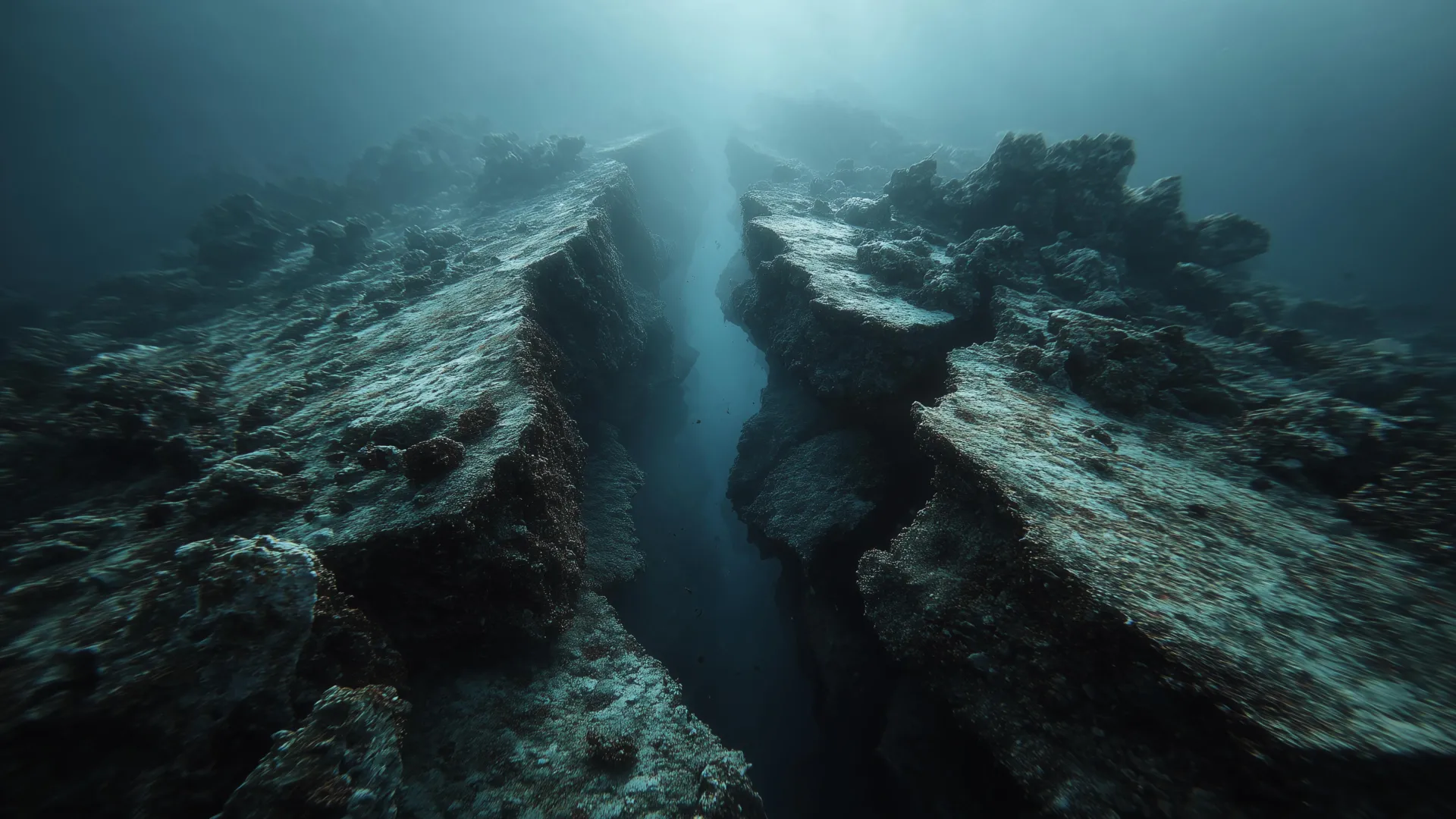
For the first time, scientists have watched a subduction zone literally fall apart beneath the ocean floor. Using advanced seismic imaging, they tracked the Juan de Fuca plate as it sank. The images revealed that the plate is not sliding smoothly into the mantle. Instead, it is fracturing into multiple fragments. This is the first direct observation of such a process. Previously, plate fragmentation was only inferred from ancient rock formations. Now, we have real-time evidence that plates can break into pieces as they subduct, rewriting textbooks on plate tectonics.
3. The 'Derailing Train' Analogy: How the Plate Tears Apart
Rather than collapsing all at once, the Juan de Fuca plate is tearing piece by piece. Scientists compare this to a train slowly derailing—each car separates from the next, creating a chain of breakup. The tearing happens along lines of weakness in the plate, likely old fault zones or changes in rock density. As the plate bends and sinks, stress concentrates at these weak points, causing fractures to propagate. This piecemeal disintegration explains why ancient fragments of the plate are found deep in the mantle, far from the subduction trench.
4. How Advanced Seismic Imaging Cracked the Case
The breakthrough came from advanced seismic imaging techniques. Researchers deployed a network of ocean-bottom seismometers and used controlled sound sources to create detailed 3D images of the subduction zone. The imaging, akin to a CT scan for the Earth, revealed the broken fragments of the Juan de Fuca plate at depths of 20 to 50 kilometers. This method allows scientists to see structures that were invisible with older technology. The same technology could be used to study other subduction zones worldwide, potentially revealing more hidden fragmentation.
5. Implications for Understanding Earthquake Behavior
The discovery could refine how scientists understand earthquake behavior. When a plate tears apart, it creates irregular boundaries and pockets of stress. These stress concentrations can trigger earthquakes in unexpected places. Traditionally, earthquake models assumed a smooth, planar fault surface. The new finding suggests that the fault zone is actually a jagged, fragmented mess. This could explain why some earthquakes in the Pacific Northwest occur at unusual depths or in clusters. Better models will lead to more accurate hazard assessments for cities like Seattle, Portland, and Vancouver.
6. Connecting Ancient Fragments to Present Processes
The finding helps explain ancient plate fragments found in the region. Geologists have long puzzled over isolated blocks of oceanic crust scattered under Oregon and Washington. These blocks, known as Siletz terrane, were formed from an old oceanic plate. Now, scientists see a direct parallel: the Juan de Fuca plate is breaking into fragments today, and these fragments eventually become part of the continent. This process—called accretion—adds pieces of oceanic crust to the edge of the North American plate, building the land. The new data show that plate fragmentation is not a rare event but a common process in subduction zones.
7. What This Means for the Pacific Northwest's Future
For residents of the Pacific Northwest, this discovery is a sobering reminder that the ground beneath them is dynamic and unpredictable. The Cascadia subduction zone will eventually produce a massive earthquake, but the new research suggests that the rupture could be more complex than previously thought. Instead of a single, massive slip, the breaking plate could cause a series of smaller, interconnected quakes. While this doesn't change the overall hazard, it does mean that early warning systems and building codes may need updating to account for multiple, sequential shaking events. Scientists will continue monitoring the region to refine these predictions.
Conclusion: A New Window into Earth's Inner Workings
The splitting of the Juan de Fuca plate is a stunning reminder that our planet is alive and constantly changing. This discovery opens a new window into the inner workings of subduction zones, helping us unravel the deep-time processes that shape continents and trigger earthquakes. As technology improves, we'll likely uncover even more surprises beneath the ocean floor. For now, scientists urge the public to stay informed about earthquake preparedness while applauding the power of modern science to reveal Earth's hidden fractures.