Building a Rural Guaranteed Minimum Income Initiative: A Comprehensive Guide
A step-by-step guide to designing, funding, and implementing a rural guaranteed minimum income program, from community engagement to launch.
Overview
Guaranteed Minimum Income (GMI) programs have gained traction as a powerful tool to combat poverty and economic insecurity. When focused on rural communities—where access to resources, jobs, and social services is often limited—a well-designed GMI can transform lives. This guide walks you through launching a rural GMI initiative, drawing on lessons from philanthropy that emphasize both immediate relief and long-term structural change. The core principle, as captured by the saying “From those to whom much is given, much is expected,” is that those with resources have a responsibility to ensure everyone has the basics: a safe home, enough food, and healthcare.
Inspired by a pledge to share the American Dream, this tutorial provides a step-by-step framework for turning vision into action—moving beyond reactive charity toward proactive, systemic support.
Prerequisites
Funding and Resources
A rural GMI needs sustainable funding. Estimate costs based on the number of recipients, payment amount, and program duration. For example, a pilot serving 100 households at $500/month for one year requires $600,000 plus administrative overhead. Secure commitments from donors, foundations, or government grants. The original initiative allocated over $21 million across multiple causes, showing the scale possible. Aim for a mix of upfront capital and ongoing revenue (e.g., endowment or recurring pledges).
Community Engagement
Successful GMI programs are co-created with the community. Establish relationships with local leaders, nonprofits, and residents. Conduct surveys or listening sessions to understand specific needs—rural poverty often includes lack of transportation, internet, and banking access. Ensure the program is culturally appropriate and trusted.
Legal and Administrative Framework
Consult legal experts on compliance with tax laws, privacy regulations, and any restrictions on direct cash transfers in your jurisdiction. Set up a legal entity (e.g., a 501(c)(3) nonprofit) to manage funds. Develop clear eligibility criteria, payment mechanisms (e.g., prepaid debit cards, direct deposit), and a system for tracking outcomes.
Step-by-Step Instructions
Step 1: Define Your Program Parameters
Decide on the core design:
- Eligibility: Will you target individuals or households? Based on income thresholds (e.g., below 150% of federal poverty level) or geographic area (e.g., specific counties)?
- Payment amount and frequency: Common models range from $500 to $1,000 per month. Monthly payments provide predictable support.
- Duration: Pilot periods of 6–24 months allow evaluation. Some programs aim for permanent GMI.
- Conditions: Most GMI is unconditional—no work requirements—to reduce bureaucracy and stigma.
Step 2: Identify Target Communities
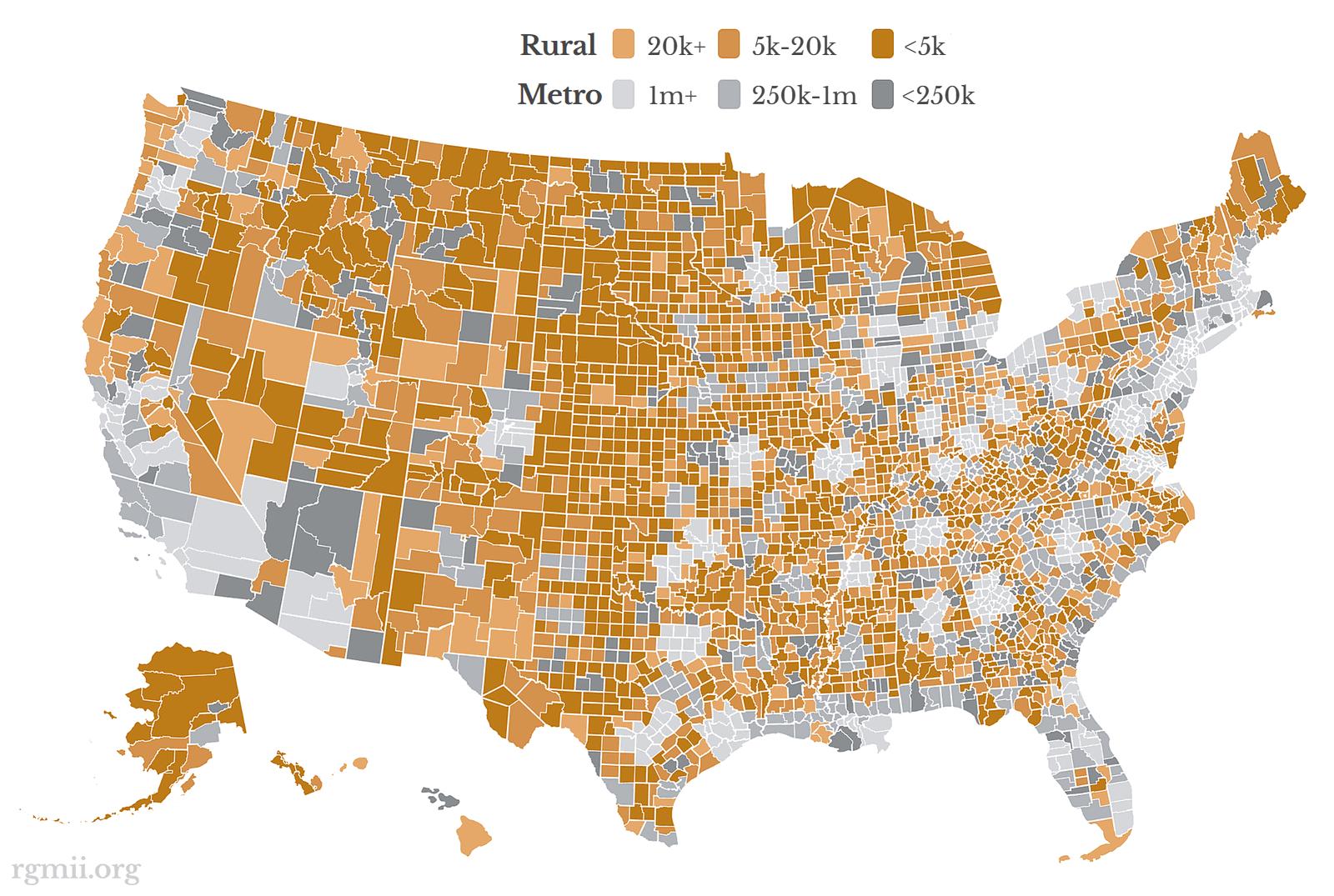
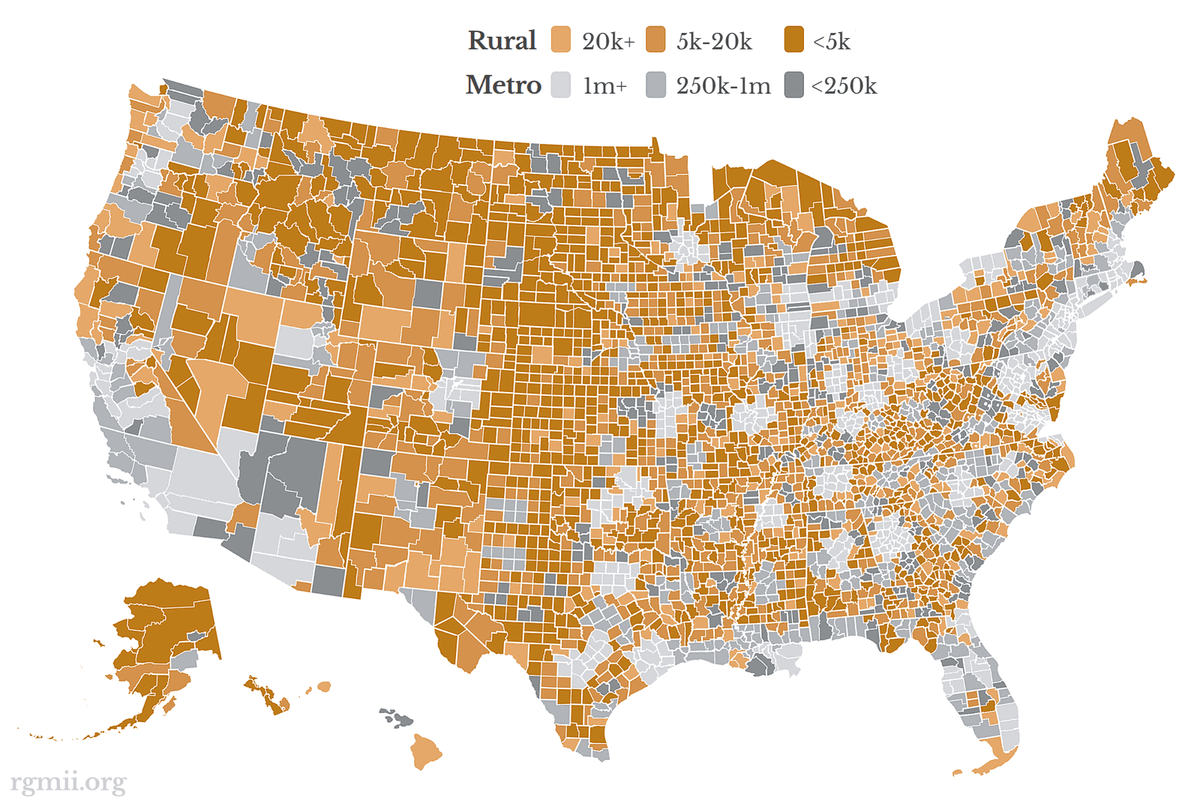
Research rural areas with high poverty rates, limited access to healthcare, or economic devastation (e.g., loss of manufacturing or farming). Use data from the USDA, Census Bureau, and local nonprofits. Prioritize communities where other aid is scarce. For example, the original initiative supported groups like the Rural Democracy Initiative and Alameda Food Bank; a GMI could complement such efforts by addressing income directly.
Step 3: Secure Funding and Partnerships
Create a funding plan that combines:
- Philanthropic donations: Reach out to individuals and foundations. Emphasize the “basic needs” approach—everyone deserves a comfortable place to live, enough to eat, and healthcare.
- Government grants: Explore federal or state pilot programs for guaranteed income.
- Corporate sponsors: Partner with local businesses or national brands committed to rural development.
Document the budget transparently. In the original project, over $21 million was raised quickly, demonstrating that compelling narratives can unlock significant funds.
Step 4: Develop an Implementation Plan
Outline operational details:
- Application process: Keep it simple—online form or paper-based for those without internet. Provide assistance.
- Disbursement: Use reloadable prepaid cards, mobile money, or checks. Ensure vendors are accessible in rural areas.
- Data collection: Track demographics, spending patterns, and well-being indicators (e.g., food security, mental health). Partner with researchers for rigorous evaluation.
- Support services: Offer optional financial counseling, job training, or healthcare referrals, but never mandate them.
Step 5: Launch and Monitor
Start with a soft launch to test systems. Communicate clearly with recipients. Monitor disbursements weekly, and adjust for any issues (e.g., lost cards, login problems). Regularly collect feedback through surveys or community meetings. Report results to stakeholders to maintain trust and attract additional funding.
Common Mistakes
- Ignoring local context: Rural communities vary widely. A program that works in Appalachia may fail in the Mississippi Delta. Tailor every aspect.
- Overcomplicating eligibility: Strict income verification can exclude the very people you want to help. Use broad, verifiable criteria.
- Lack of long-term planning: Many pilots end abruptly, causing distress. Plan for a transition strategy, such as connecting recipients to other benefits or securing permanent funding.
- Not addressing banking barriers: Many rural residents are unbanked or underbanked. Ensure alternative payment methods.
- Forgetting the “why”: The original text emphasizes moving beyond reactive firefighting to fire abatement. A GMI should aim to prevent poverty, not just alleviate symptoms. Avoid framing it as a temporary fix.
Summary
Launching a rural Guaranteed Minimum Income initiative is a strategic way to ensure everyone has the basics of a dignified life. By following these steps—defining parameters, engaging communities, securing funding, and implementing with care—you can create a program that not only provides immediate relief but also builds a foundation for long-term economic justice. Remember the guiding question: “How do we make sure everybody has what they need?” Your initiative is a concrete answer.