10 Surprising Facts About Ford's Embrace of Combustion Engines in F1
Ford's support for V8s in F1 signals a strategic blend of nostalgia, sustainable fuels, and hybrid tech, challenging carbon emission criticisms while preserving combustion engines' relevance.
Ford's recent announcement supporting a return to V8 engines in Formula 1 has sparked intense debate. While critics see it as a step backward in the fight against carbon emissions, the decision is more nuanced than it appears. From its legendary racing heritage to its hybrid tech ambitions, Ford's stance reveals a complex strategy for the future of motorsports. Here are 10 key insights into what this move means for F1, the environment, and the auto industry.
1. Ford's Historical Engine Legacy in F1
Ford has a storied history in Formula 1, dating back to its dominant Cosworth DFV V8 engine, which powered countless championship victories in the 1960s and 1970s. This return to a V8 configuration isn't just about performance—it's a nod to a golden era. By revisiting this iconic powerplant, Ford aims to reconnect with fans who remember the roar of naturally aspirated engines. The move signals a desire to blend nostalgia with modern engineering, but it also raises questions about whether past glories can translate into future success.
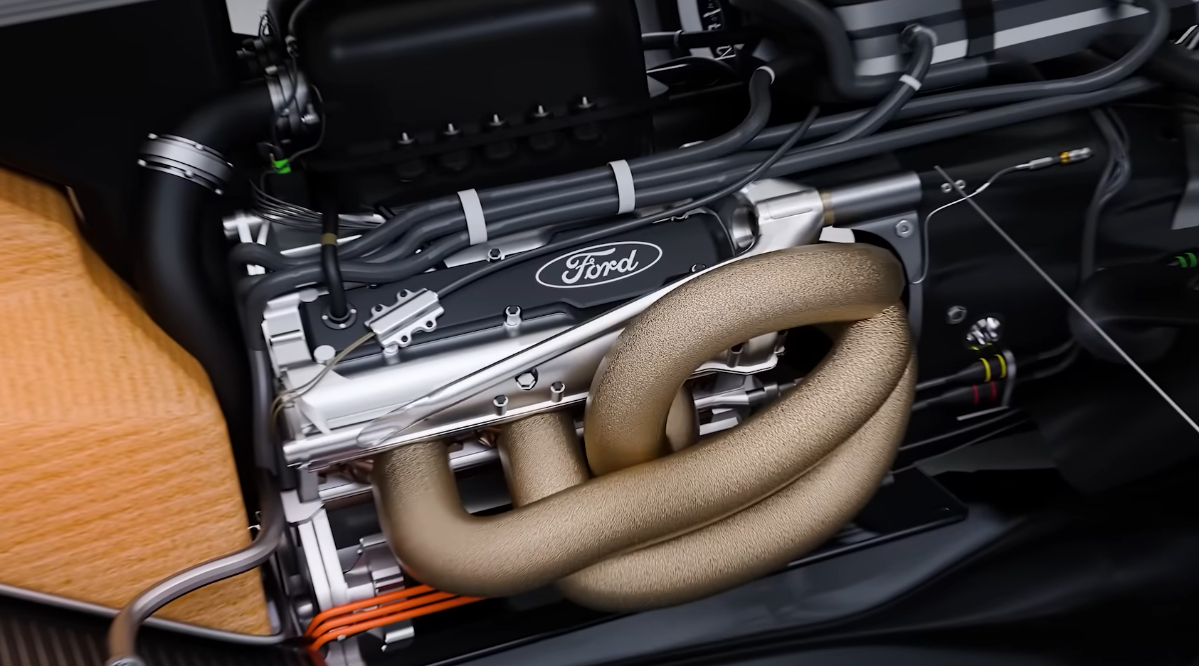
2. The V8 Return: A Nod to Nostalgia or Strategic Move?
Critics argue that reviving V8s is purely nostalgic, but Ford's strategy is deeply practical. The current F1 power units are complex hybrids that cost hundreds of millions to develop. A simplified V8 could attract new manufacturers and reduce costs, making the sport more accessible. Moreover, Ford sees an opportunity to showcase its combustion engine expertise while gradually integrating hybrid systems. This dual approach allows the company to maintain relevance in both traditional and electric racing arenas.
3. Carbon Emission Concerns: Taking a Step Backwards?
Environmentalists worry that larger engines mean higher emissions. However, Ford has committed to using 100% sustainable fuels in any V8 proposal. These synthetic or bio-fuels can significantly reduce lifecycle carbon emissions compared to conventional gasoline. While V8s consume more fuel per lap, the net carbon impact could be lower if the entire fuel supply chain is decarbonized. Ford argues that focusing solely on engine size misses the bigger picture of fuel sustainability.
4. Ford's Broader Electrification Strategy
Ford is investing billions into electric vehicles, but its F1 move doesn't contradict that. The company sees combustion engines as complementary—not oppositional—to its EV goals. By developing efficient V8s that run on clean fuels, Ford can bridge the gap until battery technology matures for high-performance applications. This pragmatic approach allows the automaker to hedge its bets while still pushing for carbon reduction across its entire lineup.
5. The Role of Synthetic Fuels in Future F1
Ford's V8 revival hinges on synthetic fuels, which are created from captured CO2 and renewable energy. These 'e-fuels' can be used in existing engines without modification, making them a drop-in solution. F1 has already announced a shift to 100% sustainable fuels by 2026. Ford's support for V8s accelerates research into these alternatives, potentially benefiting not just racing but also the aviation and shipping industries where electrification is harder.
6. Impact on Other Manufacturers' Decisions
Ford's outspoken support could influence other automakers considering F1 entry. Audi and Porsche have already committed to the 2026 regulations, but Ford's V8 advocacy may pressure the FIA to offer more engine architecture flexibility. If a V8 option emerges, it could lure back manufacturers like BMW or Honda, who left due to high costs. This would increase competition and technological innovation across the paddock.
7. F1's 2026 Engine Regulations and Ford's Position
The 2026 regulations are designed around a 50/50 split between internal combustion and electric power. Ford's V8 proposal seems at odds with this direction. Yet, Ford suggests a V8 could still meet the power output targets if paired with a more robust MGU-H or MGU-K unit. The company is essentially challenging the current regulation framework, arguing that a simpler engine formula could achieve the same goals at lower cost and with less complexity.
8. Ford's Hybrid Technology Integration
Despite championing the V8, Ford is not abandoning hybridization. The company plans to integrate advanced energy recovery systems into its V8 package. This would allow Ford to demonstrate its hybrid expertise while keeping the engine block relatively simple. Such an approach mirrors its production vehicles, which combine turbocharged EcoBoost engines with electric motors to achieve both performance and efficiency.
9. Fan Reaction and Potential Audience Growth
Fan response has been mixed. Purists love the idea of louder, less complex engines, while younger audiences worry about environmental messaging. However, Ford's stand could attract a new demographic of fans interested in sustainable racing. The debate itself keeps F1 in the news, potentially growing viewership. Social media is abuzz with comparisons to the golden age of V8s, creating organic marketing for both Ford and the sport.
10. The Future of Internal Combustion Engines Beyond F1
Ford's F1 advocacy signals a longer life for internal combustion in motorsports. If the V8 hybrid formula succeeds, it could influence other series like WEC or IndyCar to adopt similar powertrains. This would preserve the internal combustion engine's relevance for another decade, buying time for battery technology to catch up. In essence, Ford is trying to prevent a premature abandonment of combustion engines—arguing that with sustainable fuels, they remain a viable tool for reducing overall emissions.
Ford's embrace of the combustion engine in F1 is far from a simple nostalgia trip. It's a calculated bet on synthetic fuels, hybrid integration, and cost reduction that could reshape the sport. While environmental concerns are valid, the potential for technological spillover into broader industries makes this a story worth watching. Whether you're a racing enthusiast or a climate advocate, Ford's bold stance will influence the direction of motorsports—and the future of transportation—for years to come.