10 Secrets of The Witcher 3's Cows Guardian That Still Surprise Players
Discover the 10 secrets behind The Witcher 3's notorious cows guardian—from the original exploit to the Bovine Defense Force and why it still shocks players 11 years later.
Eleven years after its release, The Witcher 3: Wild Hunt continues to charm players with hidden surprises. Among the most enduring mysteries is the infamous cows guardian—a secret monster that punishes greedy farmers who exploit a money-making glitch. This Easter egg has become a legend, passed down through gaming communities. In this listicle, we uncover ten fascinating facts about this bovine beast, from its origins to its lasting impact on gameplay. Whether you're a seasoned Witcher or a newcomer, these insights will deepen your appreciation for CD Projekt Red's playful design.
- 1. The Original Exploit
- 2. CD Projekt Red's Swift Response
- 3. The Bovine Defense Force
- 4. A High-Level Chort Emerges
- 5. Overpowered for Early Game
- 6. Community Shock and Amusement
- 7. The Guardian's Enduring Presence
- 8. Comparisons to Other CDPR Easter Eggs
- 9. Impact on Game Design Philosophy
- 10. How to Trigger the Guardian Today
1. The Original Exploit
Shortly after launch, players discovered a lucrative money-making routine: kill cows in the White Orchard village, loot their hides, meditate to respawn the cows, and repeat. This simple cycle generated endless crowns, allowing players to buy top-tier gear early. The exploit was widely shared on forums, with many considering it a harmless shortcut. Little did they know, CD Projekt Red was watching—and planning a fitting revenge.
2. CD Projekt Red's Swift Response
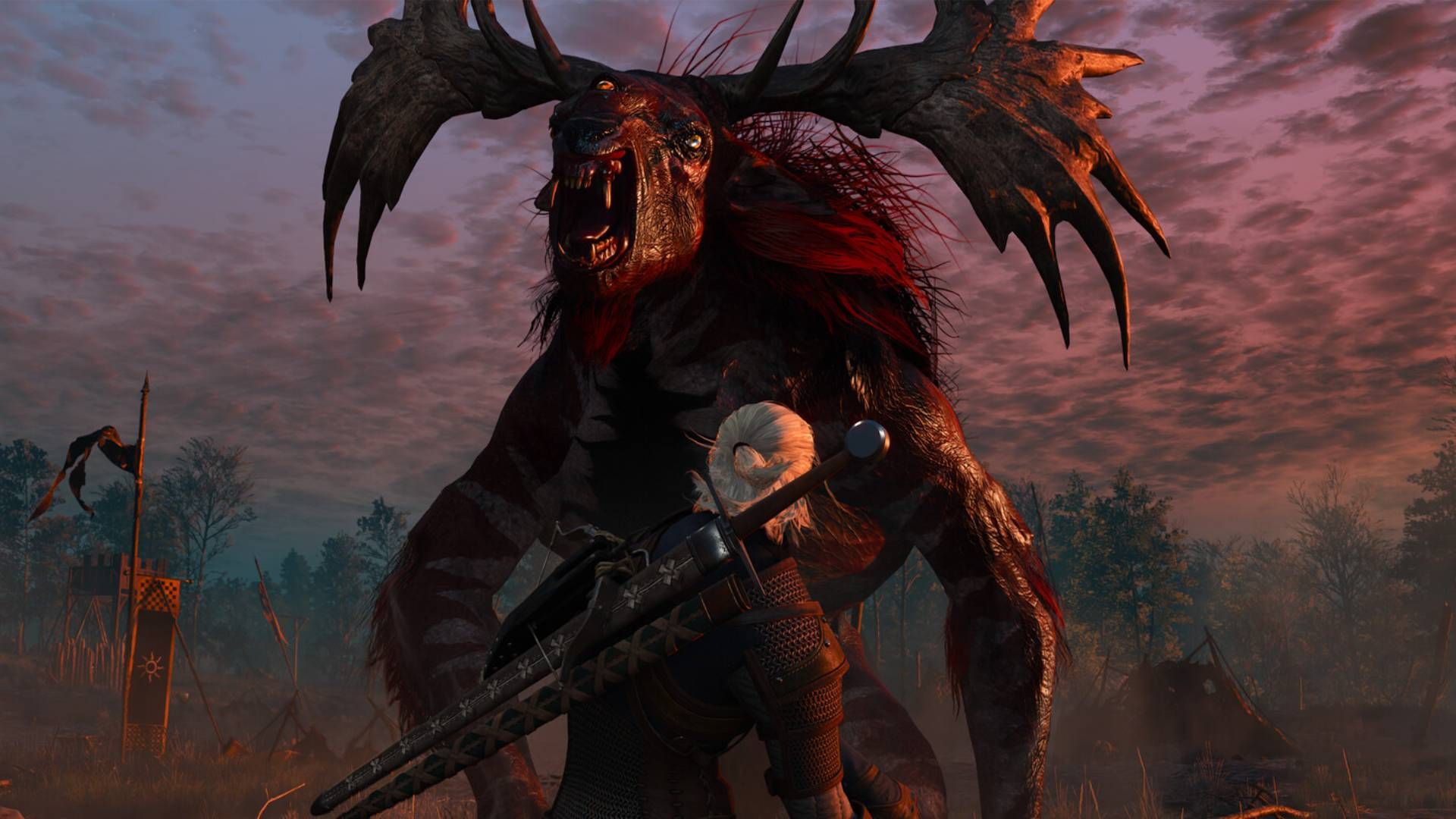
Instead of patching out the glitch directly, the developers added a hidden guardian that triggers when a player kills too many cows too quickly. This creative fix showed the studio's willingness to engage with the community in a humorous way. The patch arrived within months of the exploit being discovered, turning a simple bug into an iconic Easter egg. It demonstrated that CDPR values player ingenuity but also loves a good joke.
3. The Bovine Defense Force
Official patch notes referred to the addition of the “Bovine Defense Force Initiative.” This tongue-in-cheek name immediately captured fans' imaginations. The guardian itself is a summoned monster, not a single cow—a testament to the studio's absurdist humor. The name suggests a whole organization dedicated to protecting livestock, which adds to the lore. Players who trigger the event are effectively facing an angry cow union.
4. A High-Level Chort Emerges
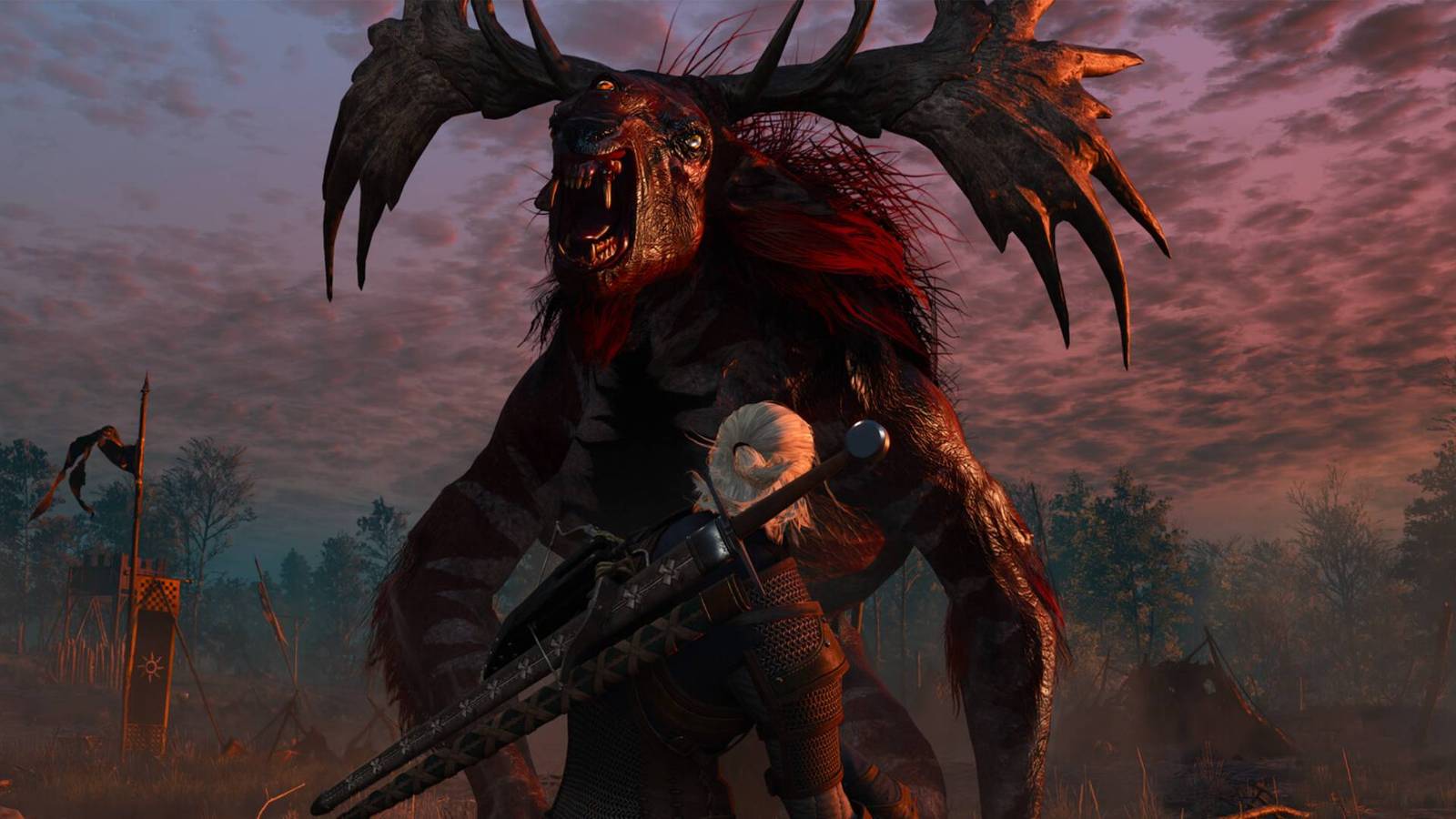
When the exploit is activated, a Level 27 Chort materializes near the cows. Chorts are powerful demon-like creatures known for their devastating charge attacks. For early-game players just starting their journey, this enemy is practically unbeatable. The sudden appearance of such a monster from a routine cow-killing session creates a memorable surprise. It's a brutal but hilarious consequence that has become the stuff of legend.
5. Overpowered for Early Game
At Level 27, the Chort is far beyond what any beginner can handle. Most players in White Orchard are around Level 3-5, making the guardian a one-hit-kill threat. This ensures that the exploit is effectively blocked: you can't farm cows without facing instant death. The difficulty spike is intentional, forcing players to abandon their get-rich-quick scheme. It's a perfect example of balancing through storytelling rather than simple removal.
6. Community Shock and Amusement
When the patch went live, players who revisited the exploit were met with a sudden, terrifying battle. Social media erupted with videos and screenshots of the Chort slaughtering unsuspecting Witchers. The surprise became a shared joke, uniting the community in laughter. Even veteran players who knew about the exploit would watch new victims fall. This organic viral moment contributed to the game's long-lasting popularity.
7. The Guardian's Enduring Presence
Nearly 11 years later, the Bovine Defense Force remains active in the game. No patch has removed it, and it continues to catch new players off guard. This permanence is remarkable for a game that receives frequent updates. It shows CDPR's commitment to preserving their Easter eggs. Players today can still discover this secret by repeating the cow-killing exploit, keeping the tradition alive across generations of gamers.
8. Comparisons to Other CDPR Easter Eggs
The cows guardian is not an isolated joke. CD Projekt Red has a history of clever Easter eggs, such as the troll singing “Rock and Roll” in The Witcher 3 or the secret ending in Cyberpunk 2077. But the Bovine Defense Force stands out for its direct interaction with player behavior. It punishes greed while rewarding curiosity. This egg has inspired other developers to add similar anti-exploit jokes in their own games.
9. Impact on Game Design Philosophy
This Easter egg influenced how developers think about bugs and exploits. Instead of simply fixing them, some studios now consider turning exploits into features that add flavor. The guardian teaches a lesson about unintended consequences in a fun, memorable way. It has become a case study in game design courses, illustrating how to handle player creativity with humor. CDPR's approach set a benchmark for engaging community management.
10. How to Trigger the Guardian Today
Curious players can still encounter the guardian by killing cows in White Orchard repeatedly without leaving the area. Specifically, kill six or more cattle within a short time (some sources say 6-10), then wait a few seconds. The Chort will spawn nearby, ready to avenge the fallen herd. Note that this works only on the base game and first DLC; the next-gen update may have slight variations. Proceed with caution—and bring your best sword.
In conclusion, the secret cows guardian of The Witcher 3 is more than a simple prank. It's a testament to CD Projekt Red's creativity, a source of community bonding, and a lesson in game design. This Easter egg continues to surprise players after more than a decade, proving that even small jokes can have a huge legacy. Next time you're in White Orchard, think twice before raising your blade against a cow—you never know what might charge back.