Wind Turbine Blade Failure at Victorian Wind Farm: Lightning Strike Risks Under Spotlight
A wind turbine blade broke and fell at a Victorian wind farm, echoing a similar lightning-caused failure in 2019. The article examines risks, safety protocols, and implications for renewable energy.
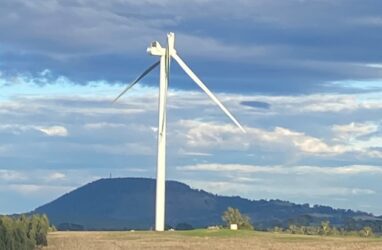
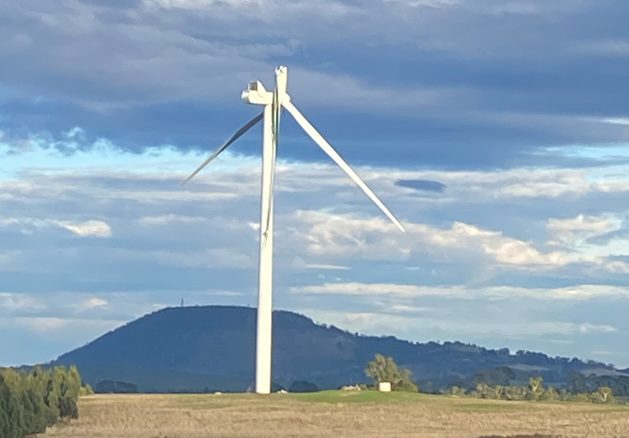
A recent incident at a wind farm in Victoria has raised concerns about the resilience of renewable energy infrastructure. A turbine blade broke and fell to the ground, with early reports pointing to a potential connection to a lightning strike that caused a similar failure at the same location back in 2019. This event underscores the ongoing challenges wind farms face in safeguarding against extreme weather events.
The Incident: Blade Break and Ground Impact
At an undisclosed wind farm in Victoria, a turbine blade fractured and plummeted to the ground, prompting an immediate investigation by operators and safety authorities. Witnesses reported hearing a loud crack before seeing the large composite blade slice through the air and crash onto the earth below. Fortunately, no injuries were reported, but the incident has revived scrutiny of turbine design and maintenance protocols.
Echoes of 2019: Lightning Strike Damage
This latest failure bears a striking resemblance to an event that occurred at the same wind farm in 2019. During a severe thunderstorm, a lightning strike directly hit a turbine, causing a blade to break and fall. Investigators at the time concluded that the lightning's intense thermal and electrical stress compromised the blade's structural integrity. The recurrence of such a failure suggests that lightning protection systems may need to be reassessed.
Understanding Lightning Risks to Wind Turbines
Wind turbines, often the tallest structures in rural landscapes, are naturally prone to lightning strikes. A single strike can generate temperatures up to 30,000°C (54,000°F), instantly vaporizing moisture in composite materials and creating internal pressure that leads to cracks or detachment. Modern blades are equipped with lightning receptors and conductive pathways to divert current, but these systems can fail if damaged over time or if strikes are unusually severe.
Key factors that increase lightning risk include:
- Blade material composition (carbon fiber vs. fiberglass)
- Height and location of turbine (exposed hills, open plains)
- Age and wear of lightning protection components
- Frequency of thunderstorms in the region
Safety and Maintenance Protocols
Following the 2019 incident, the wind farm operator implemented enhanced inspection routines, including thermal imaging and ultrasonic testing of blades. However, the recent event indicates that additional measures may be necessary. Industry best practices now advocate for:
- Regular lightning protection system checks – testing receptors, down conductors, and grounding.
- Blade condition monitoring using acoustic sensors to detect early micro-cracks.
- Weather forecasting integration to shut down turbines when thunderstorms are imminent.
- Emergency response plans for blade debris containment.
Operators are also exploring advanced materials like self-healing composites that can mitigate lightning damage.
Implications for Renewable Energy Infrastructure
As wind power expands globally, the reliability of turbines becomes paramount. Blade failures not only disrupt energy generation but also pose safety risks to nearby communities and wildlife. The Victorian incident highlights the need for ongoing research into lightning resilience, especially in regions with high thunderstorm frequency.
Public confidence in renewable energy can be maintained if operators transparently address such risks and invest in robust protection technologies. Lessons from the 2019 event are being revisited to prevent future occurrences.
In conclusion, while wind energy is a critical part of the transition to cleaner power, the industry must continuously improve its defenses against nature's forces. The fractured blade in Victoria serves as a stark reminder that even the most advanced infrastructure requires vigilant care.