Serotonin: The Brain Chemical That May Amplify Tinnitus Ringing
New research shows the brain chemical serotonin, boosted by SSRIs, may directly worsen tinnitus by driving hyperactivity in a specific neural circuit identified in mice.
The Surprising Link Between Serotonin and Tinnitus
For millions of people living with tinnitus—a persistent ringing, buzzing, or hissing in the ears that isn’t caused by an external sound—the condition can be both frustrating and exhausting. While treatments exist, many individuals turn to antidepressant medications, particularly selective serotonin reuptake inhibitors (SSRIs), to help manage the emotional toll. However, new research suggests that the very brain chemical these drugs boost, serotonin, might actually be making the ringing worse.
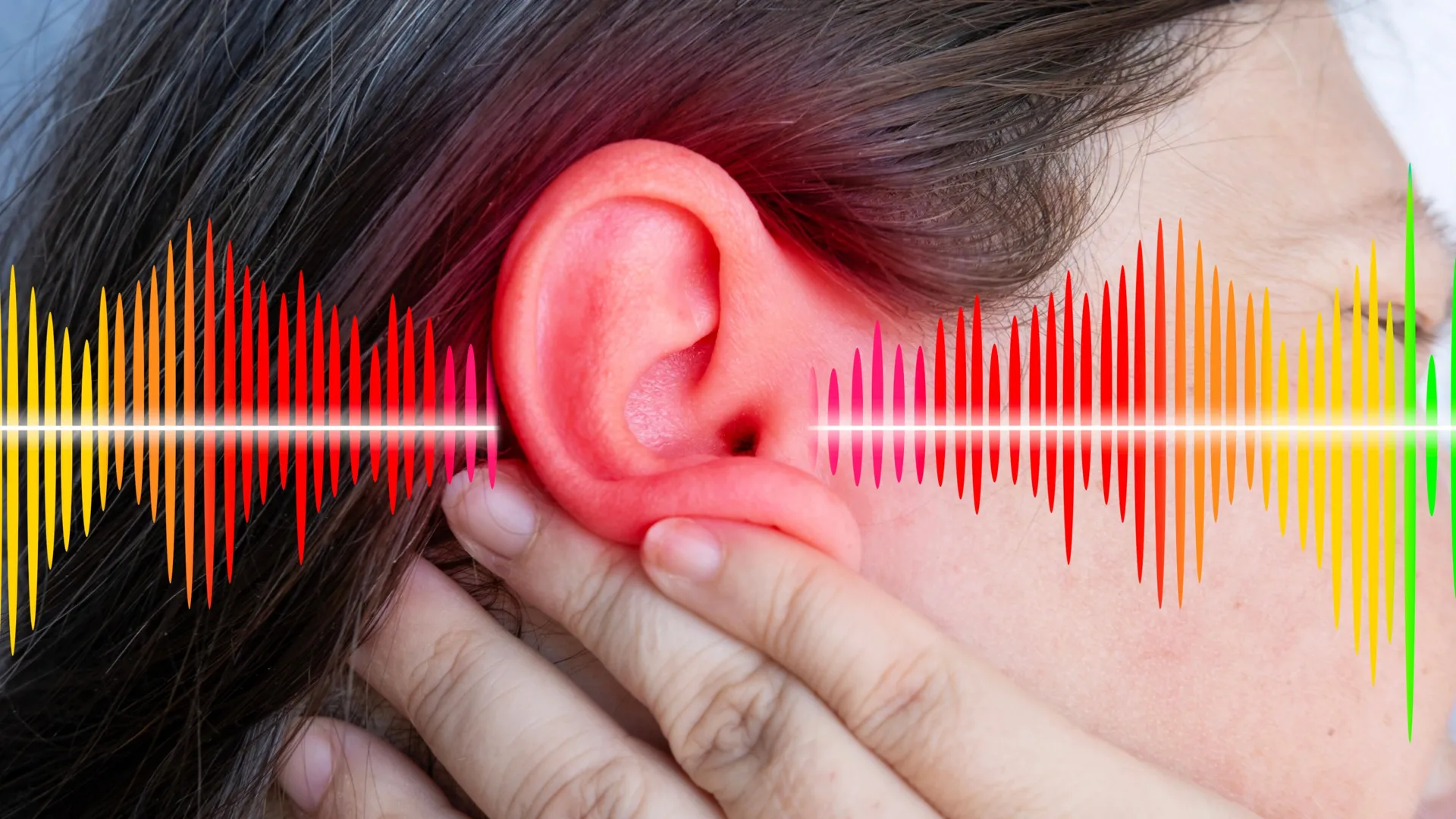
Scientists at a leading research institution have uncovered compelling evidence that serotonin—often referred to as the brain’s “feel good” neurotransmitter—may play a surprising role in fueling tinnitus. Using advanced optogenetic techniques that allow light to stimulate specific neurons in mice, the team identified a dedicated serotonin-driven neural circuit that is directly linked to tinnitus-like behavior. The findings, published in a recent study, could explain why some people report a noticeable increase in ear ringing after starting or adjusting their SSRI dosage.
How the Study Was Conducted
The researchers employed a state-of-the-art method called optogenetics, which uses light to control the activity of genetically modified neurons. By targeting serotonin-producing cells in the dorsal raphe nucleus—a region deep in the brainstem—they were able to precisely activate or inhibit specific pathways in mice. The animals were then observed for behaviors indicative of tinnitus, such as altered sound perception or startle responses.
To induce a tinnitus-like state, the team exposed the mice to a continuous, moderate-level noise for several days—a common experimental model that mimics the sensory deprivation and neural reorganization believed to underlie chronic tinnitus in humans. They then monitored the activity of serotonin neurons and their projections to the auditory cortex and other brain regions. The results were striking: When serotonin levels were artificially elevated, the mice displayed stronger and more persistent tinnitus-like behaviors.
Conversely, when the same circuit was silenced using optogenetic inhibition, the tinnitus-like symptoms diminished. This causal link suggests that serotonin does not simply influence mood or anxiety—it can directly amplify the neural signals that generate the phantom sound of tinnitus.
The Serotonin-Fueled Circuit
Further analysis revealed a specific neural pathway: serotonin axons from the dorsal raphe nucleus extend to the auditory cortex, where they modulate the activity of local inhibitory interneurons. Under normal conditions, this circuit helps fine-tune auditory processing. But in the tinnitus model, the study found that serotonin drove excessive inhibition in certain auditory cortex layers, leading to a maladaptive increase in spontaneous neural firing—the likely neural correlate of the phantom ring.
“Instead of soothing the auditory system, serotonin appears to push it into a state of hyperactivity,” explained one of the lead researchers. This hyperactivity is thought to be perceived by the brain as a persistent sound, even when no real sound exists. The finding aligns with earlier observations that many tinnitus patients have abnormal serotonin levels or receptor activity.
Implications for Antidepressant Users
The study offers a plausible explanation for a phenomenon long noted by clinicians: some patients with tinnitus who take SSRIs report a temporary or permanent worsening of their ringing. SSRIs work by blocking the reuptake of serotonin, increasing its availability in the synapses. While this can benefit mood disorders, it might inadvertently overstimulate the newly identified tinnitus circuit.
However, the researchers caution that the study was conducted in mice, and human biology is more complex. “We are not saying SSRIs are bad for tinnitus—for many patients they provide crucial relief from depression or anxiety,” said a co-author. “But this research highlights the need for personalized treatment plans. If someone’s tinnitus worsens on an SSRI, alternative classes of antidepressants or adjunct therapies might be considered.”
For those already on SSRIs, the key takeaway is to communicate any changes in tinnitus intensity to their healthcare provider. Abruptly stopping medication is not recommended, as withdrawal can also trigger or worsen tinnitus. Instead, a gradual switch to a different drug or dosage adjustment may help.
Future Directions and Potential Therapies
The discovery of this serotonin-driven circuit opens new avenues for targeted therapies. For example, drugs that modulate specific serotonin receptor subtypes (rather than global increases in serotonin) might preserve the mood benefits while avoiding the tinnitus-amplifying effects. Alternatively, non-invasive brain stimulation techniques like transcranial magnetic stimulation could be adapted to dampen the hyperactivity in the auditory cortex without affecting overall serotonin levels.
“We are now working to identify the exact serotonin receptor subtype involved,” the lead researcher noted. “If we can find a receptor that is expressed primarily in this tinnitus circuit, we could develop a drug that blocks it exclusively.” Such a targeted approach would be a significant advance over current treatments, which often have broad and unpredictable effects.
Understanding the Complexity of Tinnitus
This study is a powerful reminder that the brain’s chemical systems are intricate and sometimes counterintuitive. A neurotransmitter like serotonin, celebrated for its role in well-being, can also amplify distress when acting on the wrong circuit. For tinnitus sufferers, the findings underscore the importance of a comprehensive, individualized approach to treatment—one that considers both the psychological and neurological dimensions of the condition.
As research continues, the hope is that deeper insights into the serotonin-tinnitus connection will lead to smarter, more effective therapies that silence the phantom ring without compromising mental health. For now, awareness and open communication with healthcare providers remain the best first step for anyone noticing changes in their tinnitus after starting an antidepressant.
Back to Introduction | Study Details | Implications | Future Therapies