How Frontier AI is Reshaping Cyber Defense: A Q&A on Modern Security Strategies
Explore how frontier AI from OpenAI and Anthropic is reshaping cyber defense, SentinelOne's AI-native approach, and real-world examples of autonomous threat blocking.
In the rapidly evolving landscape of cybersecurity, frontier AI from labs like OpenAI and Anthropic is driving a paradigm shift. SentinelOne, a leader in AI-native defense, has long championed this approach. The following questions explore how advanced AI models are transforming threat detection, the balance between offense and defense, and why autonomous response is critical against modern attacks.
What role do frontier AI models play in modern cybersecurity?
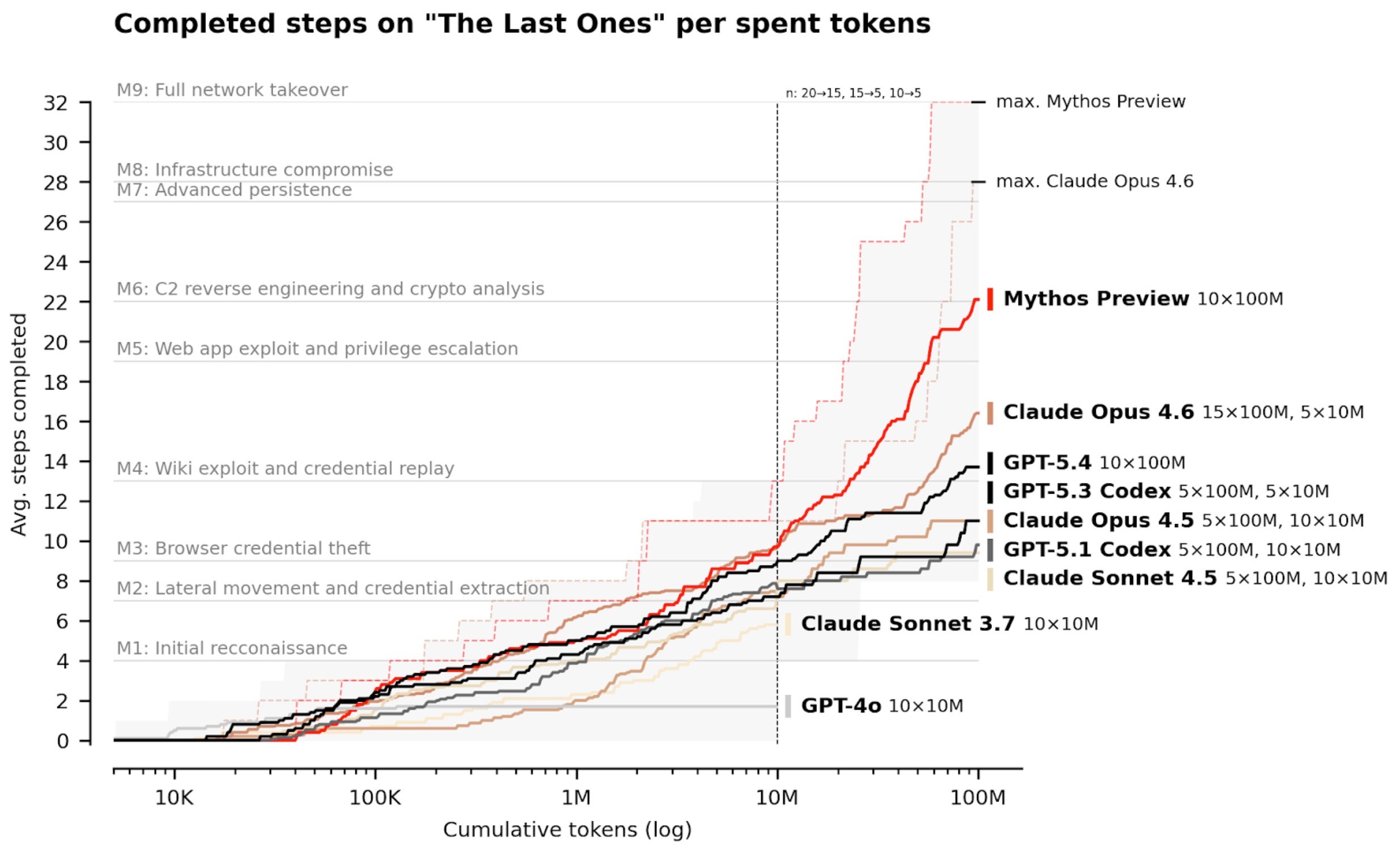
Frontier AI models, such as those developed by OpenAI and Anthropic, are accelerating the shift toward faster, more intelligent, and automated security operations. These models help defenders analyze complex systems, identify weaknesses, and reason about attack paths at unprecedented scale. However, they also empower attackers by giving them speed and scale in discovering vulnerabilities. The key is to leverage AI not just for detection but for autonomous, real-time response—a principle that SentinelOne has embedded in its platform from the start. By operating at machine speed, behavioral AI can block novel threats, including zero-day exploits, that traditional methods miss.

How do collaborations with frontier labs like OpenAI strengthen SentinelOne's platform?
SentinelOne has worked closely with frontier AI labs for years, including OpenAI, Anthropic, and Google DeepMind. While specific details of these partnerships are often confidential, they provide deep insights into how advanced models evolve and where they can create real security impact. Many learnings from these collaborations are already embedded in SentinelOne’s platform, enabling it to stop the most advanced attacks daily. For example, these insights help refine behavioral AI algorithms that detect anomalies across endpoints, cloud, identity, and network surfaces. The result is a defense system that not only understands emerging threats but also autonomously neutralizes them before damage occurs.
What is the dual impact of frontier AI on cyber defenders and attackers?
Frontier AI benefits both sides of the cybersecurity equation. For defenders, it improves the ability to identify weaknesses, analyze complex systems, and reason about attack paths at scale, leading to faster remediation. For attackers, it provides speed and scale in finding new vulnerabilities, enabling more sophisticated attacks. This race is critical, but raw vulnerability counts don’t equate to real-world risk. Many vulnerabilities are not exploitable in live environments due to architectural layers, controls, or runtime protections. The true advantage lies in understanding operational conditions, prioritizing what matters, and stopping actual attacks—exactly what SentinelOne’s AI-native approach delivers.
Why is vulnerability count a poor measure of cybersecurity risk?
While discovering more software bugs can seem alarming, raw vulnerability counts rarely map cleanly to real-world risk. Many vulnerabilities are not meaningfully exploitable in live environments due to existing mitigations like architectural layers, controls, and runtime protections. The gap between theoretical exposure and operational risk is substantial. What truly matters is the ability to understand real conditions, prioritize the most critical threats, and stop actual attacks—even against novel zero-days. SentinelOne focuses on this reality, using behavioral AI and autonomous response to close the gap between discovery and defense, ensuring businesses stay protected where it counts.
How does SentinelOne’s AI-native approach stop supply chain attacks like LiteLLM and Axios?
Recent supply chain attacks—such as those targeting LiteLLM, Axios, and CPU-Z—illustrate the danger of trusted agents and workflows in the AI era. These attacks exploited unpatched or zero-day vulnerabilities, and traditional signature-based defenses failed. SentinelOne’s platform, built on behavioral AI and autonomous response, stopped these threats by operating at machine speed. The system detects anomalous behavior in real-time, blocks malicious actions, and prevents damage without human intervention. This approach is the only antidote against novel threats that evolve faster than patches can be deployed, proving the value of AI-native, automated defense.
What future developments can we expect from SentinelOne’s frontier AI partnerships?
SentinelOne continues to expand its ongoing efforts with frontier AI labs, though specific details remain under wraps. The focus is on further integrating advanced models into their platform to enhance autonomous protection across endpoint, cloud, identity, data, network, and AI attack surfaces. As frontier AI advances, SentinelOne aims to maintain its edge in behavioral AI and automation, ensuring customers stay ahead of evolving threats. Expect deeper reasoning capabilities, faster response times, and even more sophisticated detection of novel attack patterns—all while keeping the emphasis on stopping real attacks rather than chasing theoretical vulnerabilities.
Updated: October 2023