Vault Secrets Operator Declared Preferred Standard for Enterprise Secret Management on Kubernetes
Vault Secrets Operator (VSO) is now the recommended standard for automating secret lifecycle management on Kubernetes and OpenShift, replacing legacy sidecar injectors and CSI drivers.
Breaking: HashiCorp and Red Hat Endorse VSO as the Modern Solution for Secret Lifecycle Automation
In a significant shift for platform engineering teams, the Vault Secrets Operator (VSO) has been officially recommended as the primary method for automating secret delivery and lifecycle management in Kubernetes and Red Hat OpenShift environments. This announcement resolves a long-standing debate about which integration pattern—among sidecar injectors, CSI drivers, or third-party operators—best meets enterprise security and scalability needs.
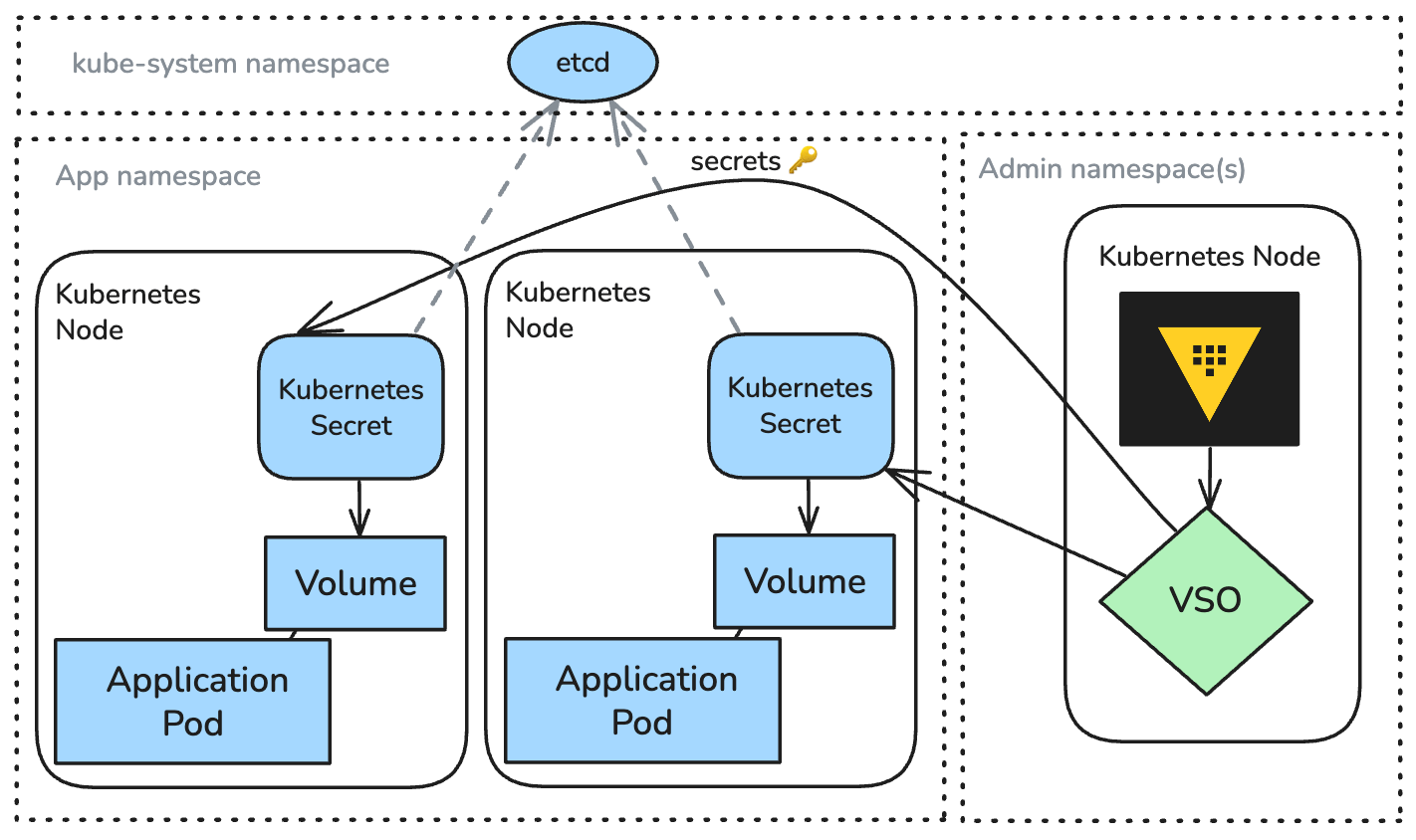
According to HashiCorp product leadership, “VSO is now the go-to, Kubernetes-native approach, replacing legacy patterns like the Vault agent sidecar injector. It offers the most robust lifecycle management without altering how pods consume secrets.” The operator directly addresses the gap between native Kubernetes Secrets, which lack enterprise governance, and the demands of hybrid-cloud deployments where secrets must be generated, rotated, and revoked at scale.
A Red Hat spokesperson added, “With our deepened partnership through IBM, VSO provides a standardized, platform-agnostic way to inject secrets, reducing operational overhead and security risks for platform teams managing hundreds of clusters.” This endorsement follows years of fragmentation, where teams defaulted to sidecar injectors despite inherent tradeoffs in resource overhead and complexity.
Background: The Secret Management Challenge on Kubernetes
Platform teams scaling Kubernetes quickly discover that native Kubernetes Secrets are not designed for enterprise governance needs. They lack automated rotation, audit trails, and multi-cloud portability. As environments grow across clusters and clouds, the question shifts from “How do I get a secret into my pod?” to “How do I manage the entire lifecycle without slowing development?”
Historically, teams adopted the Vault agent sidecar injector, which runs a Vault agent alongside each pod. While functional, this approach introduces additional resource consumption and operational complexity. The Secrets Store CSI driver (SSCSI) and third-party operators also emerged, but each came with distinct tradeoffs in security, performance, and ease of use.
VSO was designed to address these issues by operating as a Kubernetes-native operator that synchronizes secrets from Vault into pods via the standard Secret API. It does not require changes to how applications read secrets, making adoption seamless. Additionally, VSO’s Protected Secrets feature—a built-in CSI companion driver—offers an extra layer of security for high-sensitivity workloads.
What This Means for Platform Teams
For enterprises running Kubernetes or OpenShift, VSO simplifies the decision-making process: it is now the recommended standard for most use cases. Instead of evaluating multiple integration methods (sidecar injector, CSI driver, third-party operators), platform teams can standardize on VSO, reducing learning curves and operational friction.
Key benefits include:
- Unified lifecycle management – VSO handles generation, injection, rotation, and revocation from within the cluster.
- No pod-sidecar resource bloat – Unlike sidecar injectors, VSO operates as a central operator, minimizing resource consumption.
- Backward compatibility – Teams can keep existing secrets consumption patterns (environment variables, mounted volumes) without refactoring workloads.
- Enhanced security – Protected Secrets offer inline encryption via CSI, preventing secrets from ever being written to etcd in plaintext.
VSO also integrates with OpenShift natively, leveraging its security context constraints and service mesh capabilities. As one industry analyst noted, “This creates a clear path for organizations to move from pilot to production with confidence, knowing they have a HashiCorp-backed, Red Hat-tested solution.”
Migration Path: From Legacy Patterns to VSO
Teams currently using the Vault sidecar injector or CSI drivers can transition to VSO incrementally. The operator can coexist with existing setups during migration. HashiCorp provides migration guides and tooling to convert agent injector annotations into VSO custom resources.
For those starting fresh, VSO is included in the latest Vault Helm chart and can be deployed with a single command. Detailed documentation covers both basic and protected secret delivery methods, ensuring teams can choose the appropriate level of security for their workloads.
Next Steps for Enterprise Adoption
Platform engineering leaders should prioritize evaluating VSO for their Kubernetes and OpenShift environments. The operator is available as an open-source project with enterprise support via Vault Enterprise subscriptions. Red Hat customers can access VSO through the OpenShift operator marketplace.
Key takeaway: The days of juggling multiple secret integration patterns are over. VSO provides a single, recommended standard that meets the governance, scalability, and security needs of modern enterprises. For detailed technical comparisons between VSO, sidecar injectors, and CSI drivers, refer to the official HashiCorp integration guide.